
A found-object creation blurs the line between art, humor, and sustainability
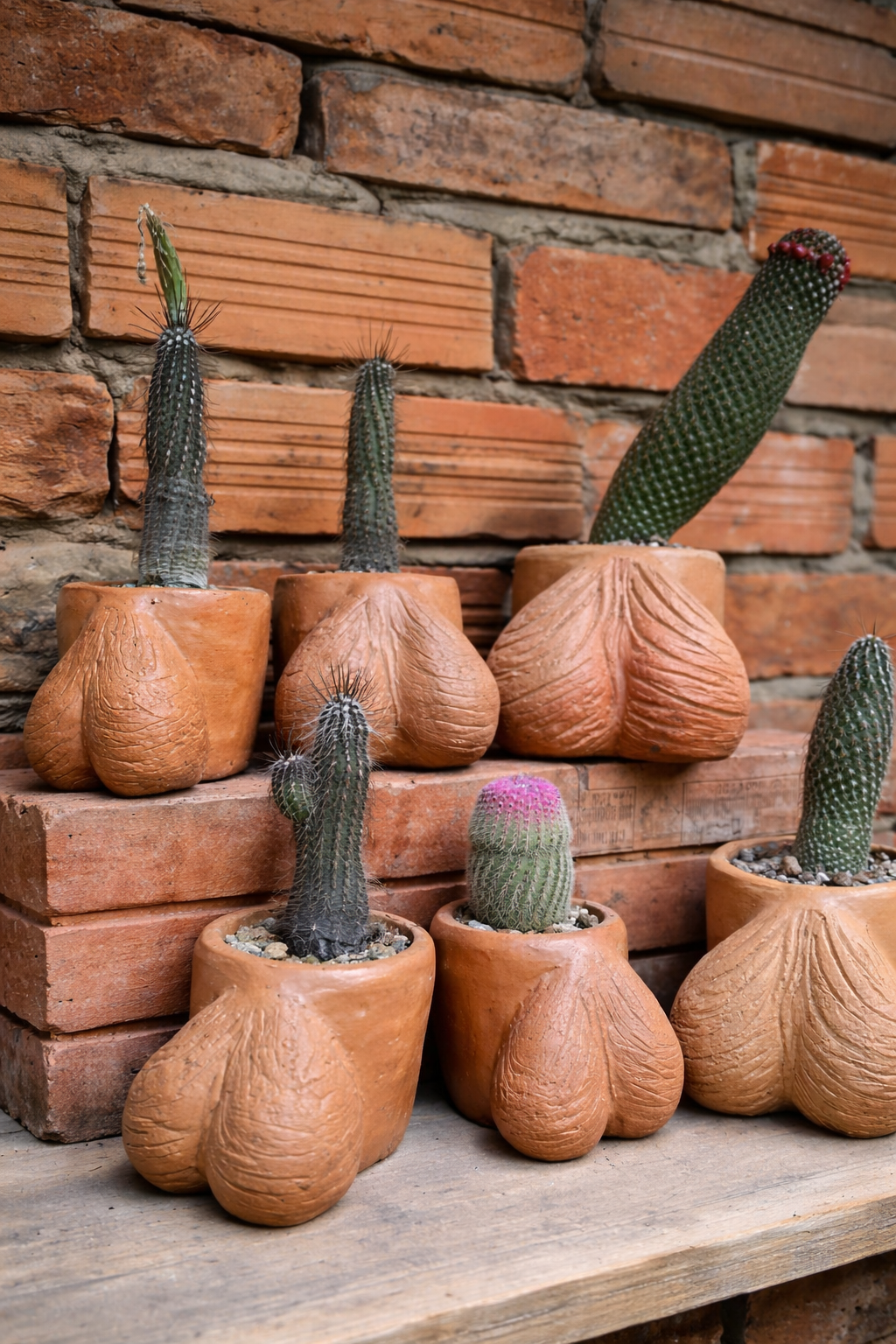
A series of unconventional plant holders discovered in an abandoned house has sparked online curiosity and renewed discussion about creative reuse and DIY design.
The handmade creations consist of cactus and succulent plants placed inside sculpted clay containers shaped from reclaimed materials. While the designs are undeniably unusual—and intentionally humorous—the project reflects a growing trend among DIY enthusiasts: transforming discarded objects into functional, conversation-starting home décor.According to images shared online, the planters appear to be hand-molded and fired, with careful attention paid to drainage, stability, and plant health. Despite their playful appearance, the containers function effectively as pots, supporting slow-growing desert plants that require minimal water and maintenance.
Design experts note that projects like this highlight how unconventional aesthetics can coexist with practicality. “There’s a long tradition of folk art and found-object design that embraces humor,” said one independent crafts curator. “What makes these pieces interesting is that they aren’t just decorative—they actually work.”
The plants themselves appear healthy, suggesting the creator understood the needs of cacti, including aerated soil and controlled moisture. This practicality has helped the project gain appreciation beyond its initial shock value.
The discovery also underscores a broader movement toward sustainability. By repurposing abandoned or unwanted materials into long-lasting objects, DIY creators reduce waste while adding personality to everyday items. Such projects are increasingly popular among younger homeowners and renters seeking affordable, distinctive alternatives to mass-produced décor.
While reactions online range from amusement to admiration, most viewers agree on one point: the creation is memorable. In an era of identical interiors and fast furniture, even strange ideas—when executed with skill—can find a place.
As interest in handmade and upcycled goods continues to grow, projects like this demonstrate that creativity doesn’t require perfection—just imagination, patience, and a willingness to experiment.
Experts confirm: yes, they are weird—and yes, they work
A set of highly unconventional plant holders discovered inside an abandoned house has gone viral online, prompting one universal reaction: “Why does this exist… and why do I kind of love it?”
The handmade creations feature cactus and succulent plants placed inside sculpted clay containers that resemble exaggerated human anatomy. Equal parts functional planter, accidental art piece, and internet jump-scare, the designs have quickly captured attention for being both deeply strange and surprisingly well executed.
Despite their appearance, the planters are not a joke. The containers are properly shaped, allow for drainage, and house desert plants that appear healthy and thriving. In other words, someone didn’t just wake up and choose chaos—they chose craftsmanship.
“It looks ridiculous,” said one online commenter, “but the cactus is thriving, so who’s really winning here?”
The project appears to be an example of extreme DIY upcycling, possibly made from reclaimed clay or found materials. Rather than ending up in a landfill, the materials were transformed into something that now lives rent-free in thousands of people’s minds.
Design observers say this kind of creation taps directly into the modern internet’s favorite genre: unhinged but practical. In a world full of minimalist beige interiors, the planters stand out by doing the exact opposite—being bold, awkward, and impossible to ignore.
Beyond the laughs, there’s a sustainable angle. The plants require little water, the containers are reusable, and the entire setup proves that creativity doesn’t need permission—or good taste—to function.
Whether viewed as art, comedy, or a cry for help, one thing is clear: the plants are alive, the craftsmanship is real, and the internet is absolutely not over it.
As one viewer summed it up: “I hate it. I respect it. I would absolutely put it in my house.”