

Some performers spend their entire careers chasing attention, striving to be louder, faster, or more visible than those around them.Others follow a quieter path, one built not on spectacle but on trust. T.K. Carter’s journey clearly belonged to the second kind.Over decades of work in television, film, and theater, he earned something far more enduring than momentary applause. He earned the confidence of audiences who felt seen, understood, and respected through his performances.From the very beginning, Carter approached acting not as a means of self-display, but as an opportunity to reflect real life with honesty.

He started in school productions and small comedy stages, environments that rewarded sincerity more than flash.
Early on, he recognized that audiences respond most deeply not to exaggerated gestures, but to truth. He learned to listen carefully — not only to fellow performers, but to everyday people.
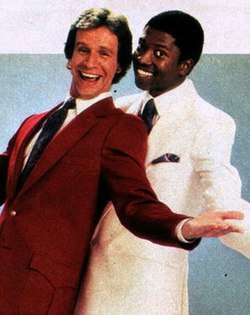
As his career developed, audiences came to associate his presence with a sense of calm reassurance. Whether he appeared in lighthearted comedies or more emotionally complex stories, he consistently delivered warmth, intelligence, and balance.He had a rare ability to ground scenes, making them feel lived-in and believable. Instead of dominating attention, he enhanced the work around him, allowing fellow performers to shine while contributing his own steady, thoughtful presence.
This generosity extended beyond the screen. Colleagues frequently described Carter as patient, respectful, and collaborative.
Audiences trusted him because his portrayals reflected everyday realities. He embodied people navigating challenges with humor, dignity, and hope.
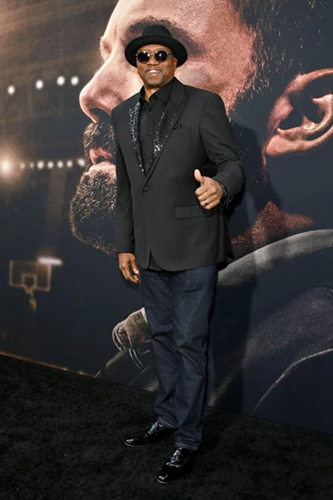
There was no sense of exaggeration or artificial drama in his work. His characters struggled, adapted, and endured in ways that felt honest.
That realism gave viewers permission to see their own lives reflected on screen without judgment.
Over time, this approach built a reputation not only for talent, but for heart. Carter became known as an actor who brought integrity to every role, regardless of its size or prominence.

His career unfolded steadily, shaped by consistency rather than sudden fame. He never relied on trends or shock value to remain relevant. Instead, he trusted in the enduring power of truthful storytelling.
This quiet consistency allowed his work to age well. Long after initial broadcasts or releases, his performances continued to resonate with viewers returning to familiar films and television episodes.
After news of his passing spread, the response from fans and colleagues followed a remarkably similar pattern. Again and again, people reflected not only on what he did, but on how he made them feel.
Many spoke of his unique ability to create a sense of recognition — the feeling that someone on screen understood ordinary struggles and emotions without needing to explain them.
His performances captured real emotion without exaggeration. He showed that meaningful storytelling does not depend on grand gestures or dramatic excess. Instead, it grows from careful observation, emotional honesty, and respect for the audience.
In a media landscape increasingly driven by speed and spectacle, his work stood as a reminder that connection matters more than noise.
Many of his roles continued to provide comfort long after their original release. Viewers returned to them during difficult moments, finding familiarity and reassurance in characters who felt grounded and sincere.
His work offered a reminder that kindness, patience, and humor remain powerful tools for navigating life’s challenges.
That enduring connection represents his true legacy. Beyond memorable performances, Carter leaves behind something rarer and more meaningful: a sense of being seen.
Through his work, audiences felt acknowledged rather than entertained at a distance. He helped normalize vulnerability, resilience, and quiet strength, offering a mirror rather than a spectacle.
His career stands as proof that success is not measured solely by fame, awards, or headlines. It is also measured by the quiet ways an artist helps people feel valued.
Carter’s influence did not rely on dominance or celebrity. It grew steadily through trust, consistency, and emotional intelligence.
Through stories grounded in empathy and honesty, his work continues to remind viewers of shared humanity. He portrayed people as they are — imperfect, hopeful, sometimes uncertain, but always worthy of understanding.
That perspective remains deeply relevant, particularly in a world where genuine connection can feel increasingly rare.
Even after the screen fades to black, his presence lingers. The characters he brought to life continue to exist in the memories of audiences who found comfort and recognition in his performances.
His influence extends beyond individual roles, shaping a broader understanding of what meaningful acting can be.
This lasting impression belongs to a remarkable performer whose work spoke softly but carried lasting weight. T.K. Carter’s career reflects the power of quiet authenticity and the enduring value of empathy in storytelling.
Through a body of work defined by sincerity, patience, and emotional truth, he leaves behind a legacy that continues to touch audiences long after the final scene ends.