
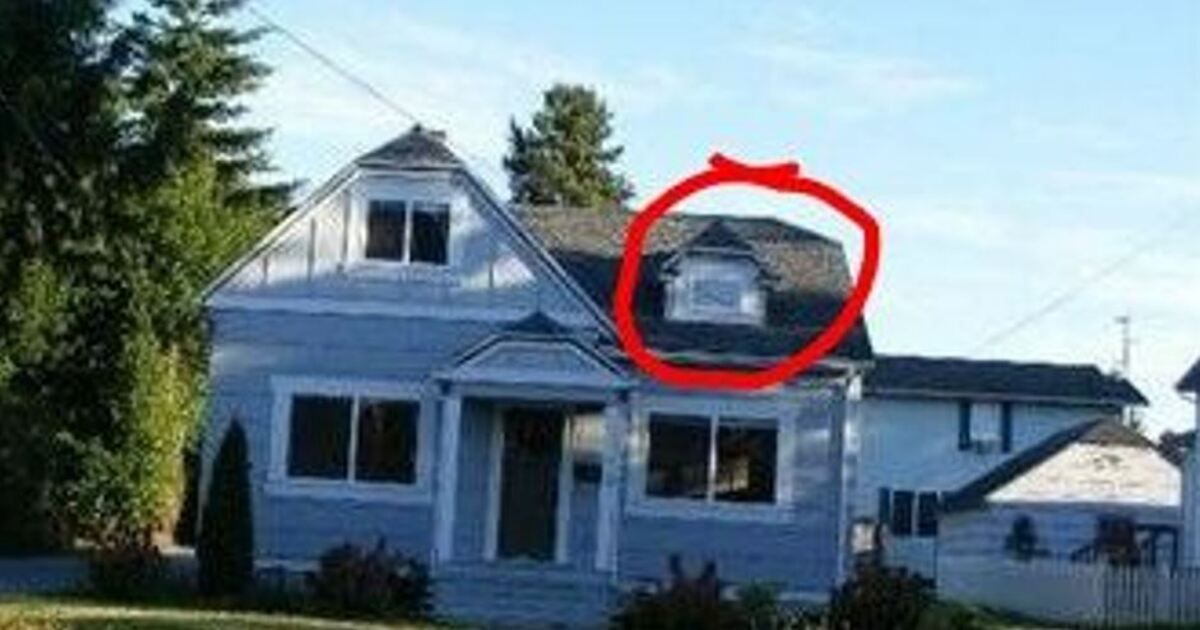
If you’ve ever been driving by an older home and seen a small dormer window peaking out of the roof and wondered “what’s this for?” you are certainly not alone. Many of us wonder what practical use old house dormer windows would have, especially if it appears to be too small to let in enough light, or if it opens into a vacant attic space. Therefore, why did builders include such windows in the construction of these homes?
Let’s go back to the early years and explore why builders decided to construct these unique dormers and find their charm and functionality.
For Visual Balance and Beauty
Probably the most typical reason that older homes have dormer windows was merely aesthetic; to create harmony and elegance. Old house dormer windows were employed by architects of the early 1900s to divide larger roof lines and bring personality to plain facades.
A single dormer window (like the one centered over a porch), regardless of its size, can improve the appearance of a home by creating balance and enhancing the overall curb appeal of the home. This is similar to adding a cherry to a sundae; the addition of a single element enhances the entire experience.
For Natural Lighting and Ventilation
Prior to the widespread availability of electrical lighting and heating/cooling units, natural light and airflow were key elements in keeping a home cool in the summer and warm in the winter. Dormer windows provided natural light to dark attics and allowed heat to escape during warmer weather.
Although the space may not have had a finished attic, the additional window also improved airflow, helping to prevent moisture buildup within the walls and roof, thereby preserving the structural integrity of the building over time. In many instances, dormers served as a passive method to maintain indoor climate control, without utilizing modern technology.
To Plan for Future Development
Some homes (primarily constructed in the 1920-50 era) had dormers designed to accommodate future development of the upper floor space. Old house dormer windows provided the necessary headroom and natural light to complete the space as a bedroom, study, etc., in the future.
At times, that future conversion never occurred, however, the dormer remained – a leftover from a thoughtful and practical design plan.
As a Part of Architectural Styles
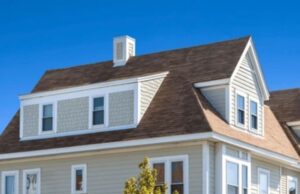
There are styles of architecture (e.g., Cape Cod, Craftsman, Colonial Revival) that incorporate dormers as a primary characteristic of their style. As a result, builders in the time period followed these traditional designs whether or not the dormers were functional or not.
These features represented the builder’s adherence to a specific architectural language rather than the solution to a practical problem. Homes without dormers would appear incomplete, although the interior of the home did not require them.
Are They Really Useless?
Not entirely. Although it may appear that some dormers do not provide any functional benefit today (specifically, if they open into a cramped attic crawlspace) they performed an important role in design, function, and in some cases, in the future planning of the home.
They brought light into the attic space, provided ventilation, enhanced the beauty of the home, and occasionally indicated to potential homeowners what type of space was available above the living quarters. Old house dormer windows, regardless of whether they continue to function or not, are a nostalgic reminder of how people used to construct homes with both function and pride.
A Window into the Past
The next time you observe a seemingly random dormer on an older home, give it another look. That small window may have been doing much more than you thought. It represents a small feature with a great history – a combination of form, function, and tradition that gives insight to how homes used to be built.
Since each detail on older homes, regardless of how minor it may seem, contains a story, the next time you see old house dormer windows, remember that they too have a story to tell.