
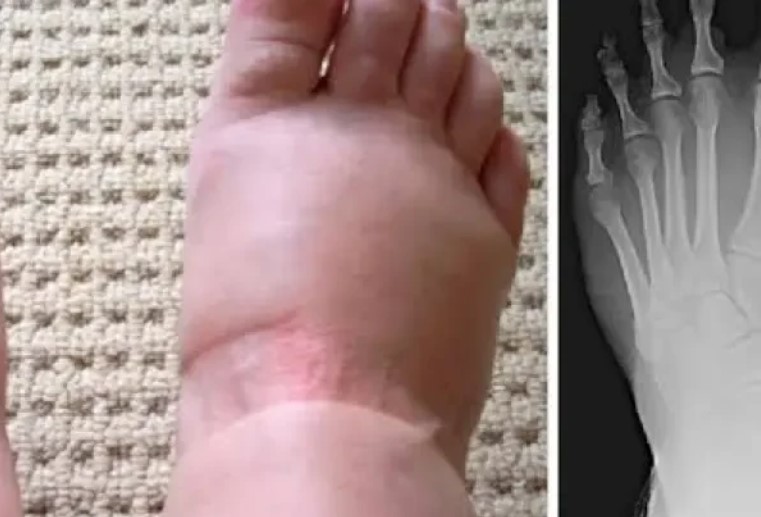
Swollen feet are a common problem that can happen after a long day of standing, sitting for hours, traveling, or eating too much salty food. In many cases, the swelling is temporary and improves with rest and elevation.
However, persistent or unexplained swelling in the feet and ankles can sometimes signal an underlying medical condition that requires attention. Problems involving the heart, kidneys, liver, veins, or lymphatic system may contribute to fluid buildup in the lower legs.
The important thing is to recognize when swollen feet may be more than a minor inconvenience.
Here are nine warning signs of swollen feet you should never overlook, along with possible causes and advice on when to seek medical care.

1. Swelling in Only One Foot or Leg
Swelling that affects only one foot or leg deserves particular attention, especially when it develops suddenly.
Possible causes include an injury, infection, inflammation, or a blood clot in a deep vein, known as deep vein thrombosis (DVT). A blood clot can obstruct normal blood flow and cause fluid to accumulate in the affected limb.
Warning signs may include:
- Swelling that develops suddenly.
- Pain or tenderness in the calf or leg.
- Warmth or redness around the affected area.
- Discomfort when walking or standing.
When to seek help: Sudden, unexplained swelling in one leg requires urgent medical assessment, particularly when accompanied by pain, redness, or warmth. If you also experience chest pain, difficulty breathing, fainting, or coughing up blood, call emergency services immediately.
2. Swollen Feet Accompanied by Shortness of Breath
Swollen feet combined with shortness of breath can be a serious warning sign.
One possible cause is heart failure, a condition in which the heart cannot pump blood as effectively as the body needs. This can contribute to fluid buildup in the legs and sometimes in the lungs.
Other symptoms may include:
- Difficulty breathing during physical activity.
- Breathlessness when lying flat.
- Waking up at night struggling to breathe.
- Unusual fatigue or weakness.
- Rapid weight gain caused by fluid retention.
These symptoms do not automatically mean someone has heart failure, but the combination should never be dismissed.
When to seek help: Sudden or severe shortness of breath, especially with chest pain, fainting, or blue or gray lips, is a medical emergency. Call emergency services. New or worsening breathlessness with leg swelling also needs prompt medical evaluation.
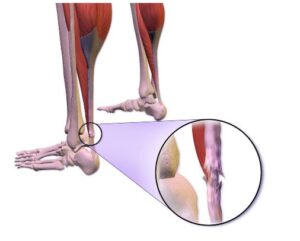
3. Swelling That Leaves a Dent in the Skin
Have you ever pressed a finger gently against your swollen ankle and noticed that a small indentation remained for several seconds?
This is called pitting edema. It occurs when excess fluid collects in the tissues beneath the skin.
Pitting edema can develop after prolonged sitting or standing, but persistent or widespread swelling may be associated with conditions affecting the heart, kidneys, liver, or veins. Certain medications can also contribute.
You may notice:
- Deep sock marks around your ankles.
- Shoes becoming unusually tight.
- Swelling that becomes more noticeable later in the day.
- Skin that appears stretched or shiny.
When to seek help: Arrange a medical appointment if the swelling is new, persistent, worsening, or unexplained. Seek urgent care if it develops suddenly or occurs with other concerning symptoms.
4. Redness, Warmth, or Increasing Pain
Swollen feet that become red, warm, or painful may indicate inflammation or infection.
One possible cause is cellulitis, a bacterial infection affecting the skin and underlying tissues. The affected area may become tender, hot, red, and increasingly swollen. The redness can spread as the infection progresses.
Other possible causes include gout, an injury, or a blood clot.
Additional symptoms may include:
- Increasing tenderness.
- Redness that spreads.
- Fever or chills.
- Pain that becomes worse over time.
When to seek help: Get medical assessment promptly if a swollen foot is red, hot, or painful, particularly if you have a fever or the redness is spreading. Rapid progression, severe pain, confusion, or feeling seriously unwell requires emergency assessment.
5. Swelling That Does Not Improve Overnight
Mild swelling caused by standing or sitting for long periods often improves after resting or elevating the legs.
If your feet remain swollen in the morning, the swelling continues for several days, or it gradually becomes worse, an underlying condition may be responsible.
Possible causes include chronic venous insufficiency, kidney disease, heart conditions, lymphatic problems, and certain medications.
You may also notice:
- Persistent ankle swelling.
- Heaviness in the legs.
- Skin changes around the lower legs.
- Swelling that gradually spreads upward.
When to seek help: Persistent or recurring swelling without an obvious explanation should be evaluated by a healthcare professional. A clinician may review your medications and medical history and, when appropriate, order blood tests, urine tests, or imaging.
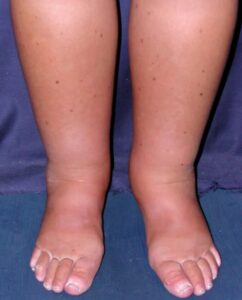
6. Sudden Weight Gain Along With Swollen Feet
Unexpected weight gain over a short period can sometimes reflect fluid retention rather than an increase in body fat.
When the body retains excess fluid, the feet and ankles may swell while the number on the scale rises quickly. This can occur with heart failure, kidney problems, liver disease, or certain medications.
Other warning signs may include:
- Swelling in the lower legs or abdomen.
- Tight-fitting shoes or rings.
- Reduced exercise tolerance.
- Increased breathlessness.
- A noticeable change in urination.
When to seek help: Contact a healthcare professional promptly if you gain weight rapidly without a clear explanation and develop swelling. If you have a diagnosed heart condition, follow your clinician’s instructions about monitoring weight and reporting changes.
7. Changes in Skin Color, Texture, or Appearance
Long-lasting swelling can affect the skin around the feet and ankles.
Chronic venous insufficiency occurs when the veins have difficulty returning blood toward the heart. Increased pressure in the veins can cause fluid to leak into surrounding tissues, leading to swelling and skin changes.
Possible signs include:
- Brownish or reddish discoloration around the ankles.
- Dry, itchy, or irritated skin.
- Thickened or hardened skin.
- Visible varicose veins.
- Slow-healing sores near the ankles.
These changes may develop gradually and can become more difficult to manage if the underlying problem is left untreated.
When to seek help: Arrange a medical evaluation for persistent swelling accompanied by skin discoloration, thickening, or wounds. A wound that becomes increasingly painful, red, warm, or infected needs prompt treatment.
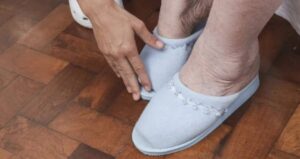
8. Swollen Feet With Reduced Urination or Facial Puffiness
The kidneys help regulate the body’s fluid and salt balance. When kidney function is impaired, excess fluid may accumulate in different parts of the body.
Swelling caused by kidney problems may affect both feet and ankles. Some people also experience puffiness around the eyes, especially in the morning.
Other possible warning signs include:
- Urinating much less than usual.
- Foamy urine that persists.
- Blood in the urine.
- Unusual fatigue or nausea.
- Swelling in the face, hands, or abdomen.
These symptoms can have several causes, and swelling alone does not establish a diagnosis of kidney disease.
When to seek help: Contact a healthcare professional promptly if swelling occurs alongside a substantial change in urination, blood in the urine, or facial puffiness. Very little or no urine, severe weakness, confusion, or breathing difficulties may require emergency care.
9. Swelling That Develops During Pregnancy
Mild swelling of the feet and ankles is common during pregnancy, particularly later in pregnancy, because the body retains more fluid and the growing uterus affects blood circulation.
However, sudden or rapidly increasing swelling should not automatically be considered normal.
Preeclampsia is a pregnancy-related condition involving high blood pressure that can affect the mother’s organs. It may develop after 20 weeks of pregnancy and sometimes after childbirth.
Warning signs can include:
- Sudden swelling of the face or hands.
- A severe or persistent headache.
- Blurred vision or flashing lights.
- Pain in the upper abdomen, particularly beneath the right ribs.
- Shortness of breath or feeling unusually unwell.
When to seek help: Contact your maternity care team immediately if you develop sudden swelling or symptoms that could indicate preeclampsia. Severe headache, visual disturbances, severe abdominal pain, or breathing difficulties require urgent assessment. Do not wait for all symptoms to appear.
What Causes Swollen Feet in the First Place?
Swelling, medically known as edema, occurs when excess fluid collects in body tissues. It can be temporary or associated with an underlying medical condition.
Common causes include:
- Prolonged sitting or standing: Fluid can accumulate in the lower legs when you remain in one position for a long time.
- High salt intake: Excess sodium can encourage the body to retain water.
- Pregnancy: Hormonal changes and pressure on blood vessels can contribute to swelling.
- Injuries: Sprains, fractures, and other injuries can cause localized inflammation.
- Medications: Some blood pressure medicines, anti-inflammatory drugs, hormones, and other medications may cause swelling.
- Vein problems: Poor circulation through the veins can cause fluid to accumulate around the ankles.
- Heart, kidney, or liver conditions: These can disrupt normal fluid balance and contribute to swelling.
- Lymphatic disorders: Problems with lymph drainage can cause persistent swelling.
The pattern of swelling, how quickly it develops, and the symptoms that accompany it can help a clinician determine the likely cause.
How Can You Reduce Mild Foot Swelling Safely?
If the swelling is mild, affects both feet, and has an obvious explanation such as prolonged standing, a few simple measures may help.
Elevate your feet. Rest with your feet raised on pillows when comfortable. This can help fluid return from the lower legs.
Move regularly. Gentle walking and ankle movements can support circulation. Avoid remaining seated or standing in one position for long periods.
Reduce excessive salt intake. Choose balanced meals and limit highly salted processed foods.
Wear comfortable footwear. Shoes that fit properly can reduce discomfort caused by swelling.
Stay hydrated normally. Drink according to your needs and any medical advice you have received. Do not deliberately restrict fluids or force yourself to drink excessive amounts.
Review your medications with a clinician. If swelling began after starting a medication, ask whether it could be contributing. Do not stop prescribed medication without professional guidance.
Be cautious with compression stockings. They can help some causes of swelling, but they are not appropriate for everyone. Seek medical advice before using them if the swelling is new, painful, unexplained, or potentially related to a blood clot or arterial circulation problem.
Home measures should never delay medical assessment when swelling is sudden, severe, persistent, or accompanied by other warning signs.
When Are Swollen Feet a Medical Emergency?
Seek emergency help if swollen feet or legs occur alongside:
- Sudden or severe difficulty breathing.
- Chest pain or pressure.
- Fainting or collapse.
- Coughing up blood.
- Severe confusion or a sudden deterioration in your condition.
Sudden swelling in one leg, especially with pain, warmth, or redness, also requires urgent assessment because a blood clot may be responsible.
In Germany, call 112 for a medical emergency. For urgent medical problems that are not life-threatening, you can contact 116117 for guidance on medical care outside regular office hours.
Final Thoughts
Swollen feet are not always a sign of something serious. They may result from everyday activities, warm weather, pregnancy, or temporary fluid retention.
However, unexplained swelling, swelling that persists, or swelling accompanied by pain, redness, breathing difficulties, rapid weight gain, or changes in urination should not be ignored.
Pay attention to changes in your body, seek medical advice when symptoms are concerning, and remember that early evaluation can help identify the cause and guide appropriate treatment.
Your feet may reveal important clues about your health. Recognizing the warning signs can help you know when it is time to seek medical attention.
Medical disclaimer: This article is for general educational purposes only and is not a substitute for professional medical advice, diagnosis, or treatment. If you are concerned about swelling or other symptoms, consult a qualified healthcare professional.